

Sell House Fast NJ: Cash Home Sales Explained for Homeowners
Selling a house for cash in New Jersey means transferring property ownership to a buyer who pays without relying on mortgage financing, delivering speed and certainty when time matters most. This guide explains what a cash home sale is, why New Jersey homeowners choose cash buyers, the step-by-step process, the main buyer types active in NJ, and essential legal and financial checks you should require. Many sellers face time-sensitive situations—probate, foreclosure, relocation, or costly repairs—and a cash sale can eliminate mortgage contingencies, reduce showings, and shorten the closing timeline. You will learn how offers are calculated, what documents to prepare, how to verify buyer legitimacy, and practical next steps to evaluate a cash offer carefully. The article uses New Jersey context throughout, highlights risks like title issues and municipal certificates, and offers checklists and comparison tables to help you decide whether a cash sale is the right path. Read on to understand cash offer mechanics, buyer profiles, and the safeguards that protect sellers in NJ transactions.
What Is a Cash Home Sale in New Jersey?
A cash home sale in New Jersey is a real estate transaction where the buyer funds the purchase without a mortgage, allowing the sale to close faster because there is no lender underwriting delay. Cash transactions typically permit buyers to purchase properties “as-is,” which reduces or eliminates seller repair obligations and listing time. The primary benefits for sellers are speed and certainty: fewer contingencies, limited inspections, and a tighter closing window compared with financed sales. Understanding these mechanics helps sellers evaluate tradeoffs between a quicker sale and potential price concessions, and prepares them to request verification documents that confirm buyer capability.
What Does a Cash Offer Mean for NJ Homeowners?
A cash offer for an NJ homeowner means the buyer is prepared to transfer funds without a mortgage contingency, which often shortens the timeline to closing and reduces the chance of financing-related fallthroughs. Sellers receive fewer inspection and appraisal contingencies, so they can avoid weeks of showings and coordinating multiple buyer visits, which is especially useful for occupied or distressed properties. Cash offers commonly require sellers to accept the property in its current condition, trading potential higher net proceeds for convenience and speed. Knowing this tradeoff helps homeowners decide whether immediate liquidity and a guaranteed closing outweigh price optimization via the traditional market route.
Why Are Cash Sales Popular Among New Jersey Sellers?
Cash sales are popular in New Jersey when sellers face urgent timelines such as job relocation, probate matters, or impending foreclosure, or when properties need extensive repairs that deter traditional buyers. Local market conditions—tight inventory in certain counties and the cost or delays of municipal certificates—can make cash buyers appealing for sellers who prioritize certainty. Investors and specialized companies often target these scenarios because they can renovate and resell or hold properties for rental income. Recognizing these motivations helps homeowners match the right buyer type to their goals, whether speed, simplicity, or avoiding repair obligations.
- Key features of a cash home sale in NJ include:
No mortgage contingency, which speeds closing and reduces uncertainty.Sale “as-is,” allowing sellers to avoid repair timelines and contractor coordination.Typically fewer showings and a more streamlined closing process for occupied properties.
What Are the Main Benefits of Selling Your House for Cash in NJ?
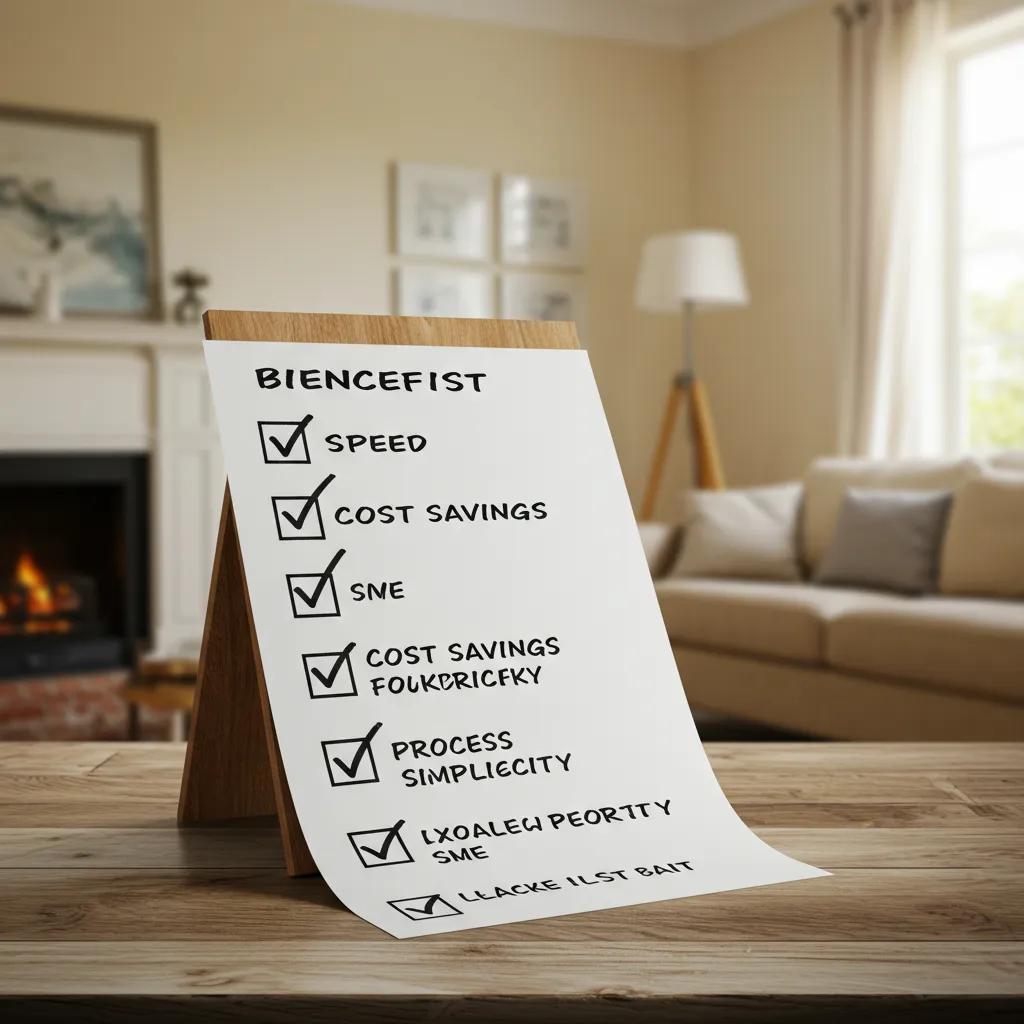
Cash sales in New Jersey deliver concrete advantages for homeowners who need a fast, low-friction transaction, notably speed, fewer contingencies, and reduced need for repairs before sale. These benefits often matter most when time, convenience, or estate considerations outweigh maximizing sales price through traditional listing strategies. Below is a clear comparison of typical attributes tied to the cash-sale value proposition to help sellers quantify tradeoffs.
| Benefit Focus | Typical Seller Outcome | Practical Value |
|---|---|---|
| Speed | Close in days to weeks instead of months | Reduces carrying costs and stress |
| Cost Savings | Avoids many pre-sale repairs | Keeps seller cash for other priorities |
| Process Simplicity | Fewer showings and contingencies | Less disruption for occupants |
How Does Selling As-Is Save Time and Money?
Selling as-is means the seller can forgo negotiating about repair scopes, contractor bids, or staging, which eliminates weeks or months of pre-sale work and expense. Buyers who pay cash typically factor repair needs into their offer, so sellers trade some price for speed and avoided repair costs. For many NJ properties—roofs, HVAC, or mold remediation can represent large upfront expenses—accepting an as-is cash offer can free sellers from upfront capital outlay and project management. This direct tradeoff between repair cost avoidance and accepted offer level should guide seller expectations during negotiations.
How Fast Can You Close a Cash Sale in New Jersey?
Cash closings in New Jersey commonly complete within 7 to 30 days when title is clear and municipal requirements are satisfied, though timelines depend on county recording practices and any probate or lien clearance needed. Title searches, outstanding taxes, or municipal certificates of occupancy can extend the timeline, so early investigation of these items speeds closing. Communicating with the buyer about their closing process and requesting a firm timetable helps sellers plan moving logistics and mortgage payoff coordination. Asking for a proposed closing date and contingency handling clarifies expectations and reduces last-minute delays.
How Do Cash Sales Eliminate Agent Commissions and Fees?
A cash sale can reduce or eliminate agent commissions if the seller negotiates an alternative arrangement, such as selling directly to an investor or company, thereby avoiding typical 5–6% agent fees and additional marketing expenses. However, sellers should weigh savings against potential lower offers due to investor margins and reduced market exposure. While saving on staging and open-house costs, sellers may miss competitive bidding that maximizes price, so the net financial effect depends on the seller’s priority for speed versus top-dollar sale. Understanding the full cost comparison—commissions versus probable offer difference—helps sellers choose the most financially sensible route.
- Speed and Certainty: Close faster with fewer financing fallthroughs.
- Avoid Repairs: Sell as-is and skip contractor delays and expenses.
- Lower Transaction Complexity: Fewer showings and simplified paperwork.
These benefit points equip homeowners to decide whether the convenience of a cash sale matches their priorities and transition plans, which leads into the practical process steps below.
How Does the Cash Home Sale Process Work in New Jersey?
The cash sale process in New Jersey follows an abbreviated path: initial contact and evaluation, offer based on market comps and repair estimates, negotiation, and closing after title clearance. Buyers evaluate the property quickly—often using photos, a walkthrough, and local comparable sales—to generate an offer that accounts for after-repair value (ARV) and their investment margin. Sellers should expect a concise offer package and can request an itemized breakdown showing market value, estimated repairs, and buyer margin to assess fairness. Clear communication about timelines and required documents keeps the process predictable and helps avoid surprises at closing.
- Typical cash-sale steps:
Initial Inquiry and Photo Submission: Buyer requests property details and photos.
Evaluation and Walkthrough: Buyer inspects condition and comp data to form an offer.
Offer, Negotiation, and Contract: Seller reviews itemized offer and negotiates terms.
Title Search and Closing: Title is cleared, funds transfer, and closing documents are executed.
| Process Phase | Seller Action | Typical Timeline |
|---|---|---|
| Initial Contact | Provide photos and property facts | 0–3 days |
| Evaluation | Schedule walkthrough and share records | 1–7 days |
| Offer | Review itemized offer and negotiate | 3–14 days |
| Closing | Complete title work and sign documents | 7–30 days |
This process table maps each phase to expected seller actions and realistic timing so homeowners can prepare documents and plan logistics effectively. Knowing these phases helps sellers request and evaluate offers with clearer expectations.
After understanding the process, homeowners should take practical next steps:
- Request a written offer
- Schedule an on-site evaluation
- Ask for proof of funds and an itemized offer breakdown
For informational next steps on how to request and evaluate a cash offer, ask the buyer for a written proposal that includes proof of funds, an explanation of repair allowances, and a proposed closing date.
Following these steps positions sellers to compare offers on a like-for-like basis and move toward a secure, timely closing.
Who Are the Cash Home Buyers in New Jersey?
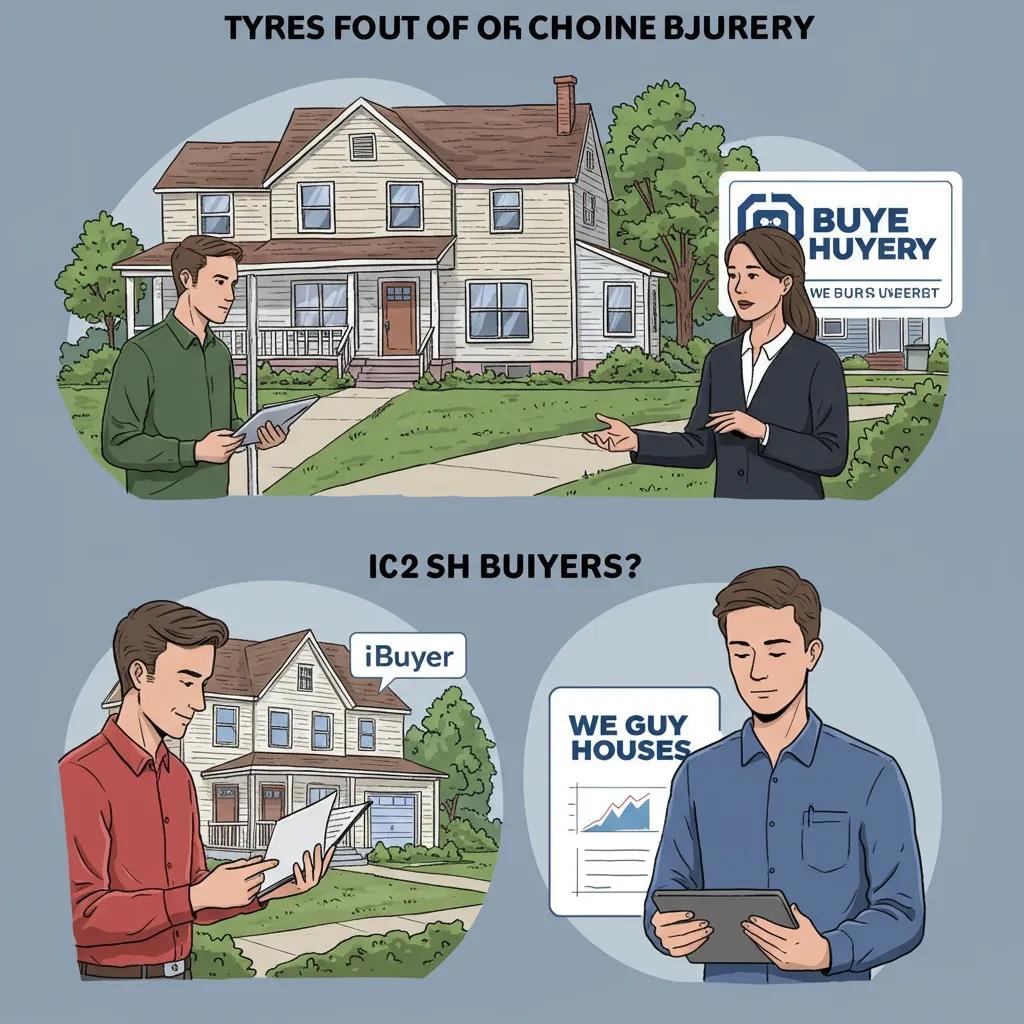
Cash home buyers in New Jersey fall into three main categories: individual real estate investors, “we buy houses” companies, and iBuyers, each with distinct motivations, pricing approaches, and service models. Individual investors often seek properties to rehab or hold as rentals and may offer flexibility on terms, while companies advertise fast closings and turnkey solutions, and iBuyers use technology to generate automated offers at scale. Sellers should match their priorities—speed, net proceeds, or simplicity—to the buyer type that best aligns with those goals. Recognizing these differences helps homeowners ask targeted questions and spot red flags before accepting an offer.
What Are Individual Investors and How Do They Buy Homes?
Individual investors typically operate locally and evaluate deals based on after-repair value and expected returns, making offers that factor in renovation costs and holding strategies. They often provide flexible terms and can close quickly if financing is ready, but their offers may reflect a larger discount to cover risk and profit margin. Sellers interacting with local investors should request references, a clear timeline, and proof of funds to verify the investor’s ability to close. Evaluating an investor’s track record and communication style helps sellers determine whether a direct sale will meet their timing and financial needs.
How Do “We Buy Houses” Companies Operate in NJ?
“We buy houses” companies present a simplified selling pathway: a quick valuation, an as-is offer, and a fast-closing promise, typically funded from company reserves or private investors. These companies emphasize convenience and speed, often handling paperwork and closing logistics, which benefits sellers who want minimal involvement. Service variations exist—some provide flexible closing dates or limited relocation assistance—so sellers should ask about exact services, fees, and examples of completed transactions. Verifying company references and requesting proof of funds ensures the advertised speed and convenience are backed by capacity to close.
What Are iBuyers and How Do They Differ from Other Cash Buyers?
iBuyers are technology-driven platforms that generate near-instant offers using algorithms and public data, aiming to streamline transactions and provide predictable timelines, though they may charge service fees or offer below-market prices to cover business costs. Unlike local investors, iBuyers prioritize standardized processes and rapid turnarounds but may not operate in every New Jersey county. Sellers should compare any automated offer against local comps and factor in iBuyer fees or convenience costs when calculating net proceeds. Understanding these pricing mechanics allows homeowners to weigh algorithm-driven certainty against the potential for higher offers from traditional market buyers.
- What sellers should ask every cash buyer:
Proof of funds or financing evidence to confirm ability to close.References or past transaction examples demonstrating experience.Clear breakdown of how the offer was calculated, including repair allowances.
This checklist helps sellers validate buyer legitimacy and compare service variations among buyer types before deciding to accept an offer.
What Should NJ Homeowners Know About Legal and Financial Considerations?
Before accepting a cash offer in New Jersey, homeowners must verify proof of funds, complete a title search to uncover liens or judgments, and understand how the offer translates to net proceeds after necessary municipal certificates and closing costs. Legal protections focus on clear title transfer and accurate payoff of any mortgages or liens, so early coordination with a title company or attorney can prevent delays. Sellers should insist on written proof of funds and an itemized offer breakdown and confirm who will handle title clearance and any required municipal paperwork. Being proactive about these elements reduces the risk of post-contract complications and ensures the sale proceeds smoothly.
| Item | Purpose | Seller Questions |
|---|---|---|
| Proof of Funds | Confirms buyer can complete purchase | “Can you provide bank verification or escrow statements?” |
| Title Search | Identifies liens, judgments, or ownership issues | “Who will handle clearing liens and associated costs?” |
| Closing Documents | Ensures proper transfer and payoff coordination | “When will mortgage payoff and deed transfer be completed?” |
Why Is Proof of Funds Important for Cash Sales?
Proof of funds demonstrates that a buyer has the liquid resources to complete a cash purchase, protecting the seller from offers that cannot close due to lack of capital. Acceptable proof often includes bank statements, escrow confirmations, or lender letters for private funds; sellers should review redacted documents if privacy is a concern. Asking for proof of funds early in negotiations separates serious buyers from speculative inquiries and reduces wasted time. Verifying funds is a primary safeguard and should be a non-negotiable step before signing a sale contract.
How Does a Title Search Protect Sellers?
A title search uncovers existing liens, unpaid taxes, judgments, or discrepancies in ownership that could block or delay closing, and resolving these issues before closing prevents liabilities or post-sale disputes. In New Jersey, municipal liens or outstanding tax obligations are common title encumbrances that must be cleared prior to transfer, and a title company typically handles the search and remediation. Sellers should confirm who will pay for clearing problems and how long resolution is likely to take, because these factors affect the closing timeline. Understanding title work ensures that the buyer receives marketable title and that the seller is not surprised by last-minute demands.
How Can Homeowners Understand and Evaluate Cash Offers?
Homeowners can evaluate cash offers by comparing net proceeds after estimated closing costs and any negotiated seller credits, considering the proposed timeline, and reviewing contingencies or responsibilities spelled out in the offer. Request an itemized offer showing market value, repair estimate, and buyer margin so you can compare apples-to-apples with competitive offers or a listed sale estimate. Consider the non-monetary value of speed, reduced disruption, and certainty when weighing offers against a traditional market sale. Asking direct questions and seeking independent valuation or title counsel will help sellers make an informed decision that balances time, money, and risk.
- Practical checklist to evaluate cash offers:
Verify proof of funds and ask for an itemized offer breakdown.
Compare net proceeds after likely closing costs and fees.
Confirm who handles title clearance, municipal certificates, and closing logistics.
This checklist gives homeowners concrete verification steps to compare offers objectively and proceed with confidence when accepting a cash sale.